
Bethlehem High School Home
REDESIGN - Home Page Main Image Shuffle

At A Glance
-
206 Years of Academic Excellence
-
25 Average Class Size
-
100% College Acceptance
-
11 Counties Served

Mission Statement
Calendar
Archdiocese Teacher Recognition Luncheon
Time: 11:30 AM – 1:30 PM
Beta Club in Gym
Time: 11:30 AM – 12 PM
Team 316 in Room 16
Time: 11:30 AM – 12:30 PM
News
Bethlehem Serves!
We love seeing our Bethlehem students out and about in our community, giving back and making a positive impact!
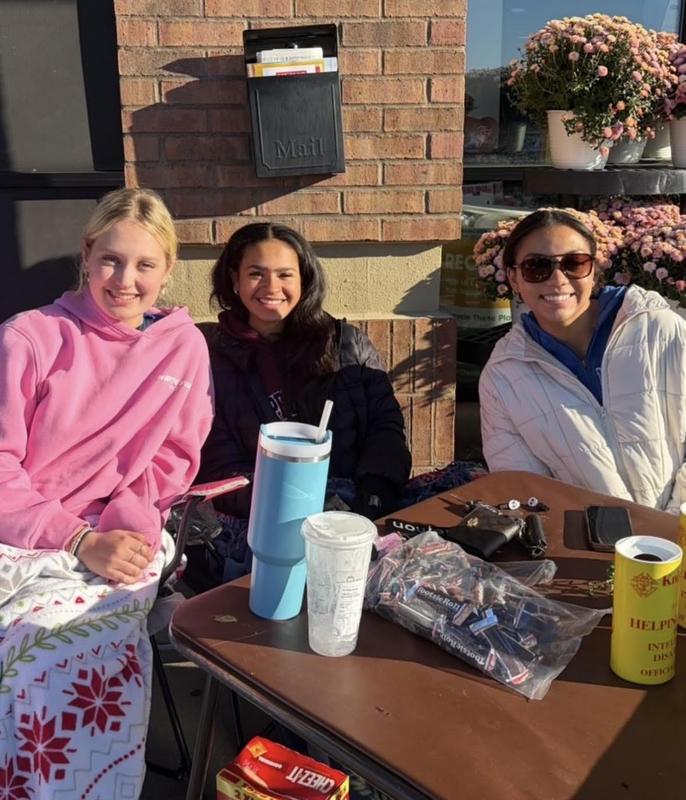
Several of our wonderful National Honor Society (NHS) students recently participated in the local Tootsie Roll Drive, volunteering their time to support a great cause!
The National Honor Society is a prestigious organization that recognizes high school students who demonstrate excellence in four key pillars: Scholarship, Service, Leadership, and Character. NHS is about so much more than academic achievement. It challenges students to become leaders, serve others, and make a meaningful difference in their schools and communities.
A special THANK YOU to our NHS sponsors for their dedication and leadership in providing our students with opportunities to serve others and give back to the community that gives so much to Bethlehem!️
Service above self. Leadership through action. Faith in everything we do! 💙💛
Several of our wonderful National Honor Society (NHS) students recently participated in the local Tootsie Roll Drive, volunteering their time to support a great cause!
The National Honor Society is a prestigious organization that recognizes high school students who demonstrate excellence in four key pillars: Scholarship, Service, Leadership, and Character. NHS is about so much more than academic achievement. It challenges students to become leaders, serve others, and make a meaningful difference in their schools and communities.
A special THANK YOU to our NHS sponsors for their dedication and leadership in providing our students with opportunities to serve others and give back to the community that gives so much to Bethlehem!️
Service above self. Leadership through action. Faith in everything we do! 💙💛
Athletic News!
🏀💙💛 ONCE A BANSHEE, ALWAYS A BANSHEE! 🏀
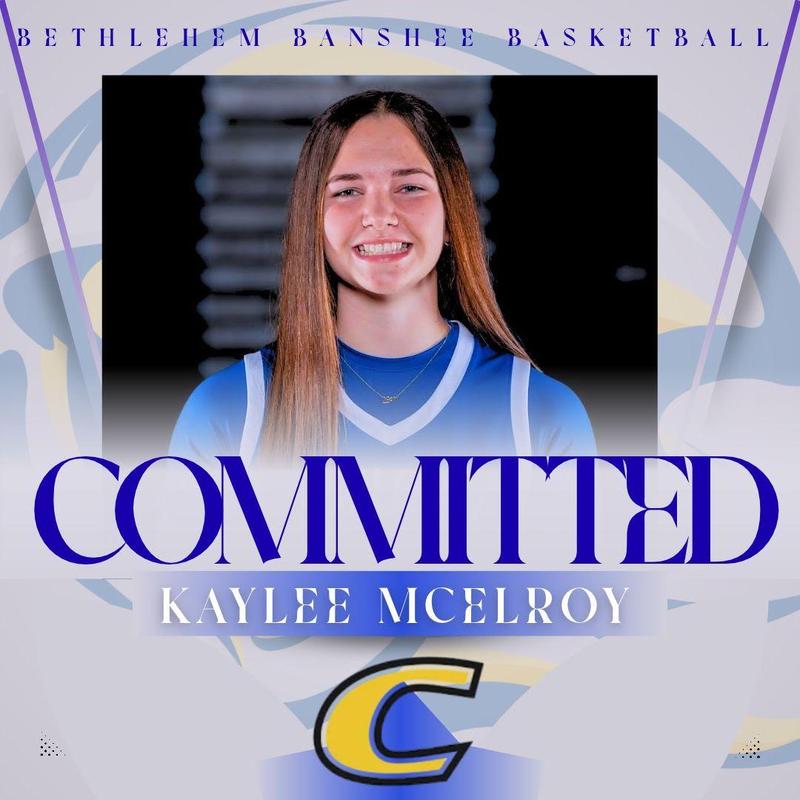
A HUGE congratulations to Bethlehem senior Kaylee McElroy on her commitment to continue her academic and basketball career at Centre College in Danville, Kentucky! 🎉👏
Kaylee has been a tremendous part of our Banshee basketball program since her days of playing up as a middle school student at St. Dominic! We have loved watching her grow as a player and young lady throughout the years.
There is nothing better than seeing our student-athletes' years of hard work, dedication, and determination pay off with the opportunity to compete at the collegiate level! Kaylee has put in the work, and we couldn't be more excited to see her take this next step!
We are so proud of you, Kaylee, and cannot wait to see all that you accomplish at Centre College!
GO CENTRE COLONELS... BUT FIRST, GO BANSHEES!!
Photo credits: Red Bolt Design
A HUGE congratulations to Bethlehem senior Kaylee McElroy on her commitment to continue her academic and basketball career at Centre College in Danville, Kentucky! 🎉👏
Kaylee has been a tremendous part of our Banshee basketball program since her days of playing up as a middle school student at St. Dominic! We have loved watching her grow as a player and young lady throughout the years.
There is nothing better than seeing our student-athletes' years of hard work, dedication, and determination pay off with the opportunity to compete at the collegiate level! Kaylee has put in the work, and we couldn't be more excited to see her take this next step!
We are so proud of you, Kaylee, and cannot wait to see all that you accomplish at Centre College!
GO CENTRE COLONELS... BUT FIRST, GO BANSHEES!!
Photo credits: Red Bolt Design
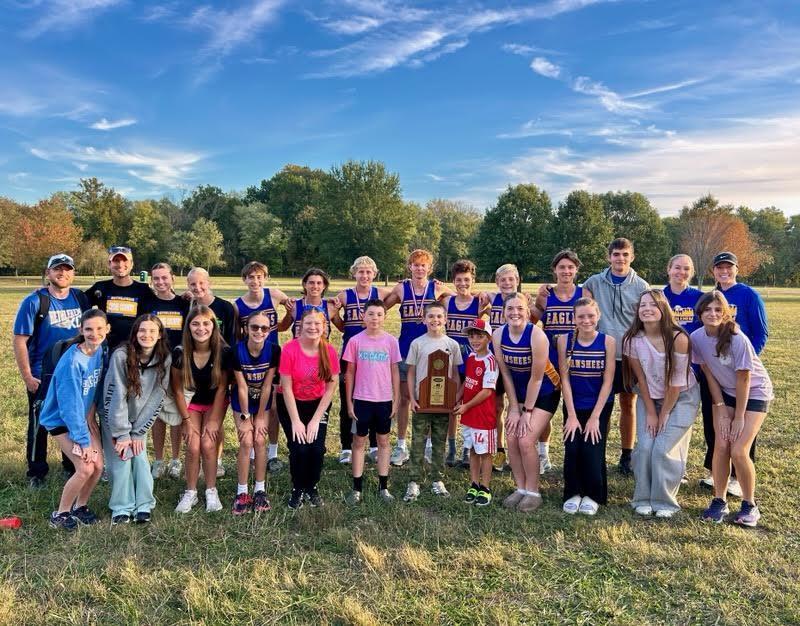
Athletic News!
Way to go, Banshees and Eagles! Our Bethlehem Cross Country teams had an incredible showing at the 2A Region Championship! The Eagles are 2A Region Champions for the 8th consecutive year, while the Banshees earned their spot at State with a strong performance! Both teams are headed to the KHSAA State Championship at the Kentucky Horse Park this Saturday! We are so proud of the hard work, dedication, and determination these athletes have shown all season. Best of luck at State!